
Two Hours on the Weekend, Balanced Meals All Week
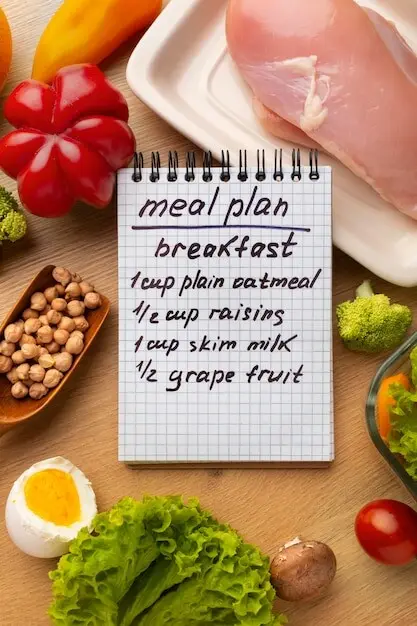

Plan the Two-Hour Sprint
Your 120-Minute Timeline
Set timers for overlapping blocks: 0–10 minutes mise en place, 10–40 roasting vegetables, 15–55 simmering grains or legumes, 40–70 searing or baking proteins, 55–85 mixing sauces, 85–110 cooling and portioning, 110–120 labeling and storage. A tidy sequence reduces decisions, bottlenecks, and mid-cook stress, keeping momentum strong.
Produce Prep That Pays Off
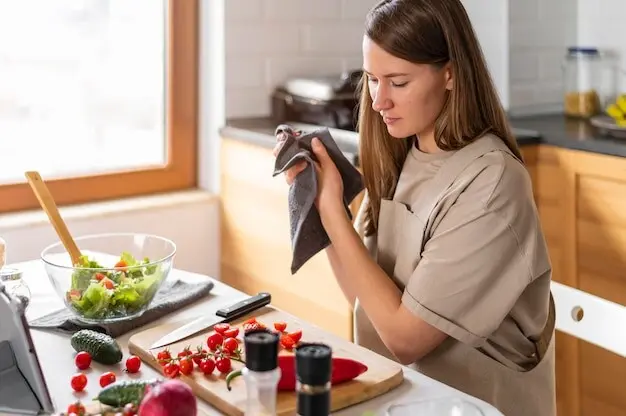
Wash greens, spin dry, and wrap in paper towels; pre-slice onions, carrots, and peppers; roast sheet pans of broccoli, sweet potatoes, and cauliflower with oil and salt. Prepped produce layers seamlessly into bowls, tacos, soups, and egg bakes, saving minutes and maximizing color, crunch, and nutrients.
Parallel Proteins Without Chaos
Oven-bake chicken thighs or tofu while a pot of lentils quietly simmers and a tray of hard-boiled eggs steams. Choose two proteins that cook mostly unattended, season neutrally, then finish with sauces later. This approach multiplies options without multiplying work, cleanup, or fragile, over-seasoned leftovers.
Shop Smarter, Waste Less
The Five-Block List
Seasonal, Budget-Friendly Swaps
Build Balanced Building Blocks
Proteins That Reheat Beautifully
Choose chicken thighs, turkey meatballs, firm tofu, tempeh, salmon cakes, or lentils. Marinate lightly with salt and citrus, roast or steam gently, and avoid overcooking. These options stay moist, slice well, and play nicely with bright dressings, crunchy vegetables, and grains throughout busy, unpredictable weekdays.
Carbs, Veggies, and Fiber That Satisfy
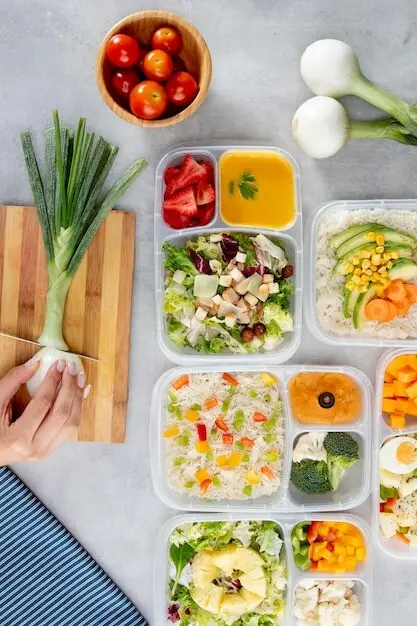
Batch-cook brown rice, farro, barley, or roasted potatoes, and pile in vegetables: roasted carrots, sautéed greens, cabbage slaw, and blistered peppers. Add legumes for fiber. This mix delivers stable energy, fullness, and texture variety that resists blandness, crashy afternoons, or late-night grazing driven by convenience foods.
Flavor Anchors: Sauces and Dressings
Blend one creamy, one bright, and one spicy option: tahini lemon, herb vinaigrette, and chili-lime yogurt. Store separately and drizzle when serving. These quick accents transform the same base ingredients into distinct meals, keeping motivation high and taste buds curious without additional stovetop time.
Store, Cool, and Reheat Safely
Fast Assemblies for Busy Weeknights

Common Roadblocks, Simple Fixes
Five-Minute Flavor Upgrades
All Rights Reserved.