Shape Your Plate by Shaping Your Space

Today we explore how kitchen environment design for healthy eating—defaults, cues, and layout—quietly steers daily choices. With small, repeatable changes to placement, lighting, and flow, you can make nourishing options effortless, joyful, and surprisingly automatic for yourself, family, and guests alike. Tell us in the comments which change you will try first, and subscribe for weekly experiments that keep momentum high.

Defaults That Do the Deciding for You
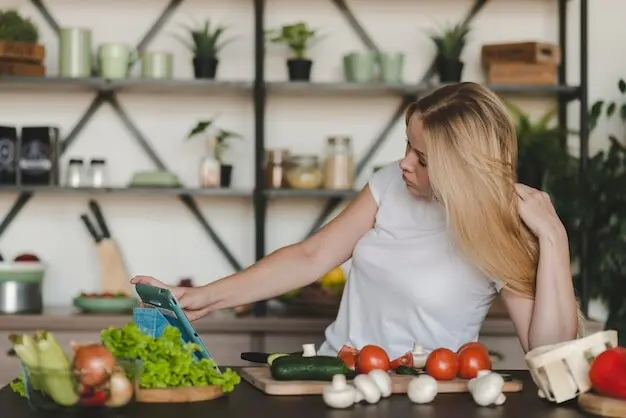
Set smart defaults so helpful choices happen without negotiation. Position ready-to-eat produce at eye level, pre-portion grains, and prefill the water carafe nightly. Establish recurring grocery lists and standard breakfasts that meet your goals. When the environment decides first, willpower can relax and simply follow along.

Front-of-Queue Foods

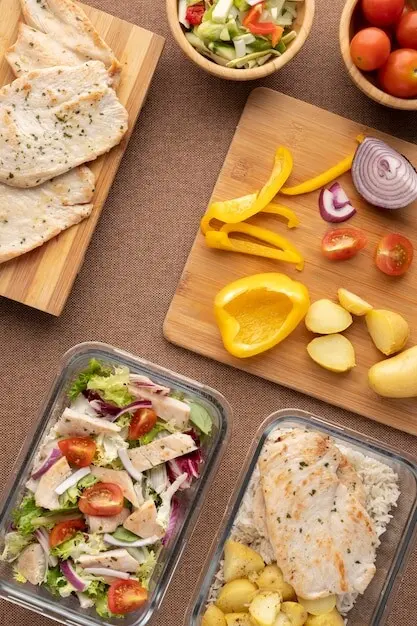
Place washed berries, crunchy carrots, and hummus where your eyes land first: fridge center shelves and the front of the pantry. Put bowls within arm’s reach and tuck candy higher or farther back. The first thing you see becomes the first thing you choose, especially during busy moments.

Autopilot Groceries

Use scheduled deliveries with substitutions that favor whole grains, low-sugar yogurt, and seasonal produce. Default to a weekly vegetable box and staple proteins. Remove ultra-processed snacks from standing orders. When healthier items arrive predictably, weekday meals assemble faster, and impulse add-ons become rarer because planning already answered the decision.

Plating and Portion Defaults

Switch to nine-inch plates, smaller bowls, and tall narrow glasses for water. Keep serving spoons modest and salad tongs generous. Pre-plate mains in the kitchen and place vegetables family-style on the table. Subtle size cues recalibrate portions without deprivation, letting satisfaction rise as visual fullness signals satiety earlier.

Clear Containers, Clear Intentions

Decant nuts, legumes, and grains into transparent jars with scoop sizes that match your goals. Opaque bins hold chips and sweets out of sight. Label leftovers with inviting names and a ready-by plan. Visibility shapes appetite; the foods you can plainly see win your attention and plate.

Scent and Soundscapes

Open a citrus peel near the prep board, simmer cinnamon sticks in winter, or let basil perfume the counter. Play calm, mid-tempo music that encourages slower bites. When the kitchen smells fresh and the soundtrack is gentle, hurried snacking eases and home cooking feels restorative.

Prep Zone Proximity

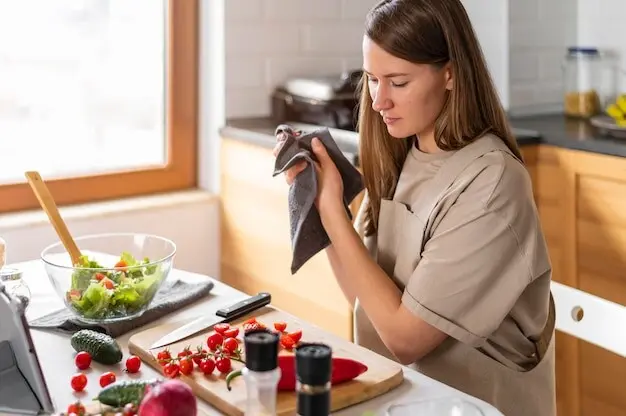
Keep knives, boards, peeler, colander, and compost bin within a single pivot from the sink. Store oils and salt near the stove but not above heat. With essentials contiguous, vegetables hit the pan minutes sooner, and cleanup shrinks because the path is short, intuitive, and repeatable.

Friction for Treats

Place desserts in the freezer behind frozen vegetables or upstairs in a pantry that requires a step stool. Keep the only opener for fizzy drinks in a drawer across the room. Extra micro-steps introduce just enough pause for intention to return before impulses escalate.

Storage That Guides Attention and Access

Thoughtful storage translates goals into daily defaults. Use eye-level space for produce, proteins, and leftovers you want eaten soon, and reserve hard-to-reach areas for occasional treats. Decant, label, and rotate. Access patterns sculpt appetite, so put tomorrow’s best decisions exactly where your hands naturally go first.

Refrigerator Maps

Designate the middle shelf for ready-to-eat produce and cooked proteins, a left bin for snacks you genuinely endorse, and a right bin for ingredients awaiting prep. Add a magnetic dry-erase note for use-first items. This living map prevents waste, rescues time, and rewards consistent attention.

Pantry Psychology

Group foods by task: quick breakfasts, packable lunches, weeknight dinners. Keep whole grains and legumes at eye height, sauces below, and indulgences above. Use clear risers so back-row items remain visible. Order shapes cravings; when organization reflects intentions, your cart and plate start matching your values.

Freezer as Future You’s Ally

Batch-cook soups, stews, and roasted vegetables, then freeze in flat, labeled portions for fast defrosting. Keep smoothie packs and sliced whole-grain bread near the front. Future-you will thank present-you when Thursdays feel calm because dinner waits, tidy and dependable, behind an organized frosty door.
Behavioral Rhythms and Habit Loops

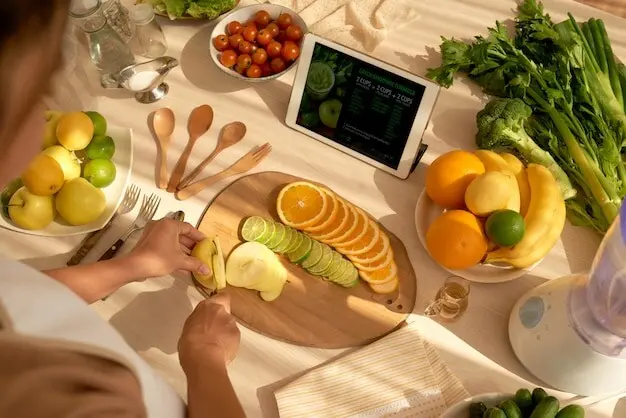
Environment and routine co-write your eating story. Tie hydration, produce prep, and meal planning to existing anchors like coffee, commutes, or dishwashing. Use cues and tiny rewards to reinforce consistency. When loops run smoothly, cravings soften, energy steadies, and nutrition goals stop feeling like chores.

Stories, Data, and Tiny Experiments

Real kitchens teach better than theories. Track one small environmental tweak per week and observe changes in choices, waste, and mood. Celebrate wins, course-correct misses, and share photos with friends. Evidence accumulates quickly when experiments are tiny, frequent, and aligned with how you actually live.

Seven-Day Visibility Challenge

For seven days, arrange vegetables and proteins at eye level, hide sweets, and photograph the fridge each morning. Record what you actually ate and how quickly produce disappeared. The camera reveals patterns memory forgets, turning hunches into lessons and momentum into confident next steps.

Family Snack Treaty

Invite everyone to pick two everyday snacks they truly love and one weekend indulgence. Store everyday choices at reach height, weekend items high. Revisit monthly and rotate. Co-creating rules reduces resistance, turns negotiations into routines, and builds shared pride when the fruit bowl empties faster.

Micro-Makeover on a Budget

With ten dollars and thirty minutes, wash the fruit bowl, add a bright tea towel, move water glasses beside plates, and decant oats into a clear jar. These tiny shifts feel inviting, spark use, and prove that design leverage beats expensive gadgets every time.
Farilentokarosanonilo
Privacy Overview

This website uses cookies so that we can provide you with the best user experience possible. Cookie information is stored in your browser and performs functions such as recognising you when you return to our website and helping our team to understand which sections of the website you find most interesting and useful.