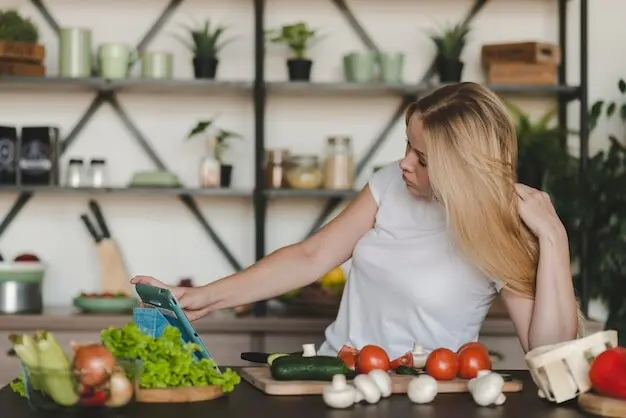
Two Hours on the Weekend, Balanced Meals All Week
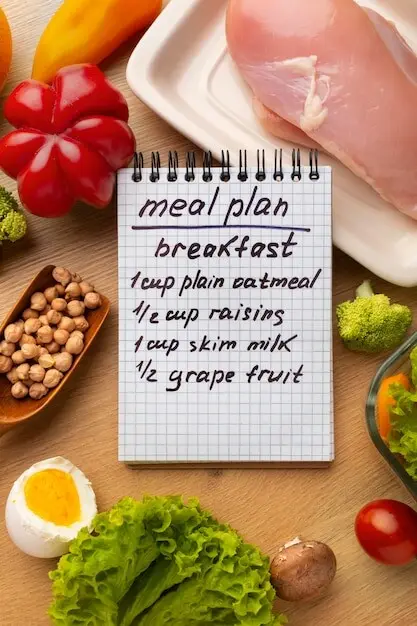
In Weekend Batch Prep: Turn Two Hours into a Week of Balanced Meals, you’ll map a clear plan, shop smarter, and cook efficiently so weekday choices feel effortless. We’ll turn one focused session into versatile building blocks, protect flavor and safety, and assemble fast, nourishing plates your future self will thank you for, even when schedules get messy.

Plan the Two-Hour Sprint

Before you cook, map tasks to an achievable 120-minute flow: preheat the oven, soak grains, chop hardy vegetables, start a protein, and simmer a pot of beans. Overlap steps intentionally, clean as you go, and finish with assembly, labeling, and a quick fridge-and-freezer placement plan.

Your 120-Minute Timeline

Set timers for overlapping blocks: 0–10 minutes mise en place, 10–40 roasting vegetables, 15–55 simmering grains or legumes, 40–70 searing or baking proteins, 55–85 mixing sauces, 85–110 cooling and portioning, 110–120 labeling and storage. A tidy sequence reduces decisions, bottlenecks, and mid-cook stress, keeping momentum strong.

Produce Prep That Pays Off

Wash greens, spin dry, and wrap in paper towels; pre-slice onions, carrots, and peppers; roast sheet pans of broccoli, sweet potatoes, and cauliflower with oil and salt. Prepped produce layers seamlessly into bowls, tacos, soups, and egg bakes, saving minutes and maximizing color, crunch, and nutrients.

Parallel Proteins Without Chaos

Oven-bake chicken thighs or tofu while a pot of lentils quietly simmers and a tray of hard-boiled eggs steams. Choose two proteins that cook mostly unattended, season neutrally, then finish with sauces later. This approach multiplies options without multiplying work, cleanup, or fragile, over-seasoned leftovers.

Shop Smarter, Waste Less
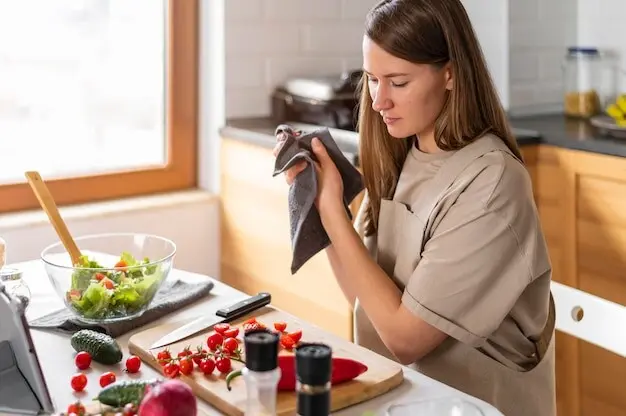
Your cart becomes a plan when grouped by purpose: proteins, vegetables and fruit, grains and starches, flavor boosters, and staples. Shop your pantry first, then choose seasonal produce and on-sale items to control cost. A precise list avoids impulse buys and midweek gaps.

The Five-Block List

Write five headings: protein, vegetables and fruit, complex carbs, sauces and spices, essentials like eggs, yogurt, and broth. Under each, list exact quantities tied to meals. This method trims waste, simplifies store navigation, and keeps you honest about what will actually be cooked.

Seasonal, Budget-Friendly Swaps

Anchor choices to what is abundant: swap asparagus for green beans, salmon for mackerel, or quinoa for brown rice. Lean into frozen vegetables for value and freshness. A flexible mindset protects nutrition and flavor while respecting budgets, availability, and unexpected market surprises with confidence.

Build Balanced Building Blocks

A balanced plate gets easier with modular parts: lean proteins, fiber-rich carbohydrates, colorful vegetables, and satisfying fats. Cook items with mild seasoning now, then finish with sauces to pivot cuisines. This structure supports varied tastes, leftovers longevity, and steady energy without rigid meal repetition or boredom.

Proteins That Reheat Beautifully

Choose chicken thighs, turkey meatballs, firm tofu, tempeh, salmon cakes, or lentils. Marinate lightly with salt and citrus, roast or steam gently, and avoid overcooking. These options stay moist, slice well, and play nicely with bright dressings, crunchy vegetables, and grains throughout busy, unpredictable weekdays.

Carbs, Veggies, and Fiber That Satisfy

Batch-cook brown rice, farro, barley, or roasted potatoes, and pile in vegetables: roasted carrots, sautéed greens, cabbage slaw, and blistered peppers. Add legumes for fiber. This mix delivers stable energy, fullness, and texture variety that resists blandness, crashy afternoons, or late-night grazing driven by convenience foods.

Flavor Anchors: Sauces and Dressings

Blend one creamy, one bright, and one spicy option: tahini lemon, herb vinaigrette, and chili-lime yogurt. Store separately and drizzle when serving. These quick accents transform the same base ingredients into distinct meals, keeping motivation high and taste buds curious without additional stovetop time.
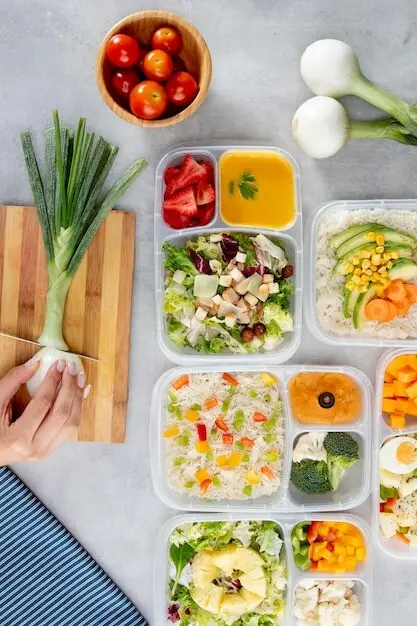
Store, Cool, and Reheat Safely

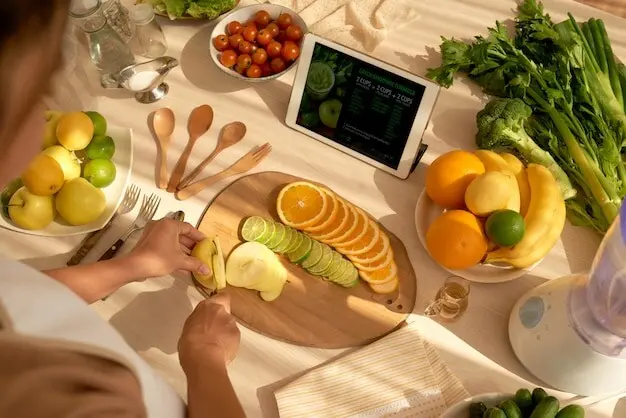
Food safety protects your effort. Cool quickly in shallow containers, refrigerate within two hours, and reheat leftovers to 165°F (74°C). Most cooked items keep three to four days refrigerated. Freezing extends life and flexibility, especially for grains, soups, and proteins portioned for single, ready meals.

Fast Assemblies for Busy Weeknights

When weeknights compress, components shine. Assemble bowls, wraps, salads, and quick skillets using one protein, one carb, plentiful vegetables, and a sauce. Keep ten-minute templates visible on the fridge. Repeated decisions become joyful rituals that protect energy, nutrition, and family rhythms under real-life time pressure.

Common Roadblocks, Simple Fixes

If two hours feel impossible, start with ninety minutes and pre-chop only. If choices overwhelm, repeat three base meals all month. If boredom creeps in, rotate sauces weekly. Each tweak preserves momentum, proving consistency can flourish even inside noisy, changing, very human schedules.

Five-Minute Flavor Upgrades

Keep citrus, fresh herbs, pickled onions, toasted nuts, and crunchy seeds within reach. In moments, they wake up leftovers and protect satisfaction. A quick squeeze, sprinkle, or spoonful can change the day, replacing restaurant cravings with something bright, personalized, quick, and unapologetically delicious.
Farilentokarosanonilo
Privacy Overview

This website uses cookies so that we can provide you with the best user experience possible. Cookie information is stored in your browser and performs functions such as recognising you when you return to our website and helping our team to understand which sections of the website you find most interesting and useful.